How can you recognize the devil and satan?
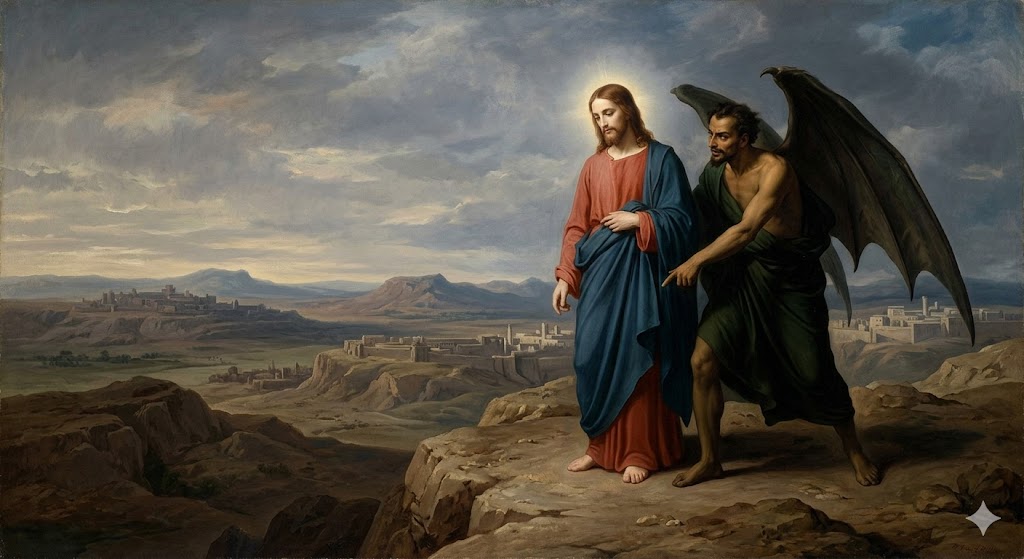
Pop culture often relies on the traditional, monstrous imagery popularized during the Middle Ages, complete with horns, hooves, a pitchfork, and a tail. However, mainstream religious theology—particularly within Christian, Jewish, and Islamic traditions—presents a much more subtle and psychological picture.
1. Theological & Scriptural Recognition
In religious texts, Satan is rarely described as a physical monster appearing to frighten people. Instead, he is viewed as a spiritual force or a master manipulator whose presence is recognized by specific actions and behavioral patterns.
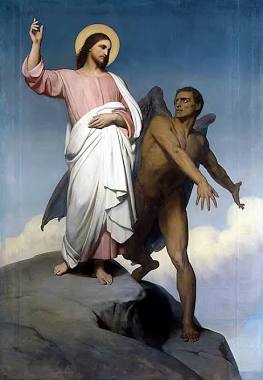
Classical art often depicts Satan not as a monster,
but as a subtle, fallen being using persuasion.. Source: Wikimedia Commons
- The Deceiver (The “Father of Lies”): Scripture outlines that the primary weapon used is deception. The recognition here isn’t a physical sight, but rather a twisting of the truth—making bad things look good, or moral compromises look reasonable.
- The Tempter: As seen in biblical narratives like the temptation in the wilderness, the approach relies on exploiting human vulnerability: pride, hunger, desire for power, or doubt.
- An “Angel of Light”: A famous passage in the New Testament (2 Corinthians 11:14) warns that Satan masquerades as an “angel of light.” This means the theological concept of evil often wears the mask of righteousness, charity, or beautiful philosophy to gain trust.
- The Accuser: The Hebrew word Ha-Satan literally translates to “the accuser” or “the adversary.” In theological contexts, this presence is recognized when a person experiences overwhelming feelings of shame, worthlessness, or an inner voice driving them toward self-destruction and hopelessness.
2. Cultural & Artistic Evolution
If you are looking at how to recognize the Devil visually, that imagery evolved over centuries of art history rather than coming directly from ancient texts.

Medieval and Renaissance art popularized the monstrous,
beast-like depiction of the devil to symbolize spiritual corruption.. Source: Dark Gloomy Art
The visual identifiers we know today were largely blended together from pagan imagery and medieval anxiety:
- Horns and Hooves: Borrowed heavily from Pan, the Greek god of the wild, nature, and rustic music, to demonize non-Christian deities.
- The Color Red: Associated with fire, brimstone, and the underworld.
- The Pitchfork: Adapted from the trident of Poseidon/Neptune, gods of the deep sea and underworld elements.
3. Secular & Psychological Perspectives
From a secular or psychological point of view, “recognizing the devil” is understood metaphorically as identifying the darkest aspects of human nature—both within individuals and across societies.
- The Shadow Self: Psychologist Carl Jung wrote extensively about the “Shadow”—the unconscious, repressed parts of our personality containing instincts we deem unacceptable. Projecting this shadow onto others often leads people to see a “devil” in an external enemy rather than facing their own flaws.
- Systemic Evil: On a societal scale, the “demonic” is recognized through collective human cruelty: apathy toward suffering, systemic oppression, and the loss of individual empathy within a crowd.
Ultimately, whether viewed through a spiritual lens or a psychological one, the consensus across literature and theology is that the truest sign of “the devil” is not a terrifying appearance, but rather a highly convincing and attractive invitation to abandon one’s morals.


Post Comment
You must be logged in to post a comment.