Why did they say blind setan?

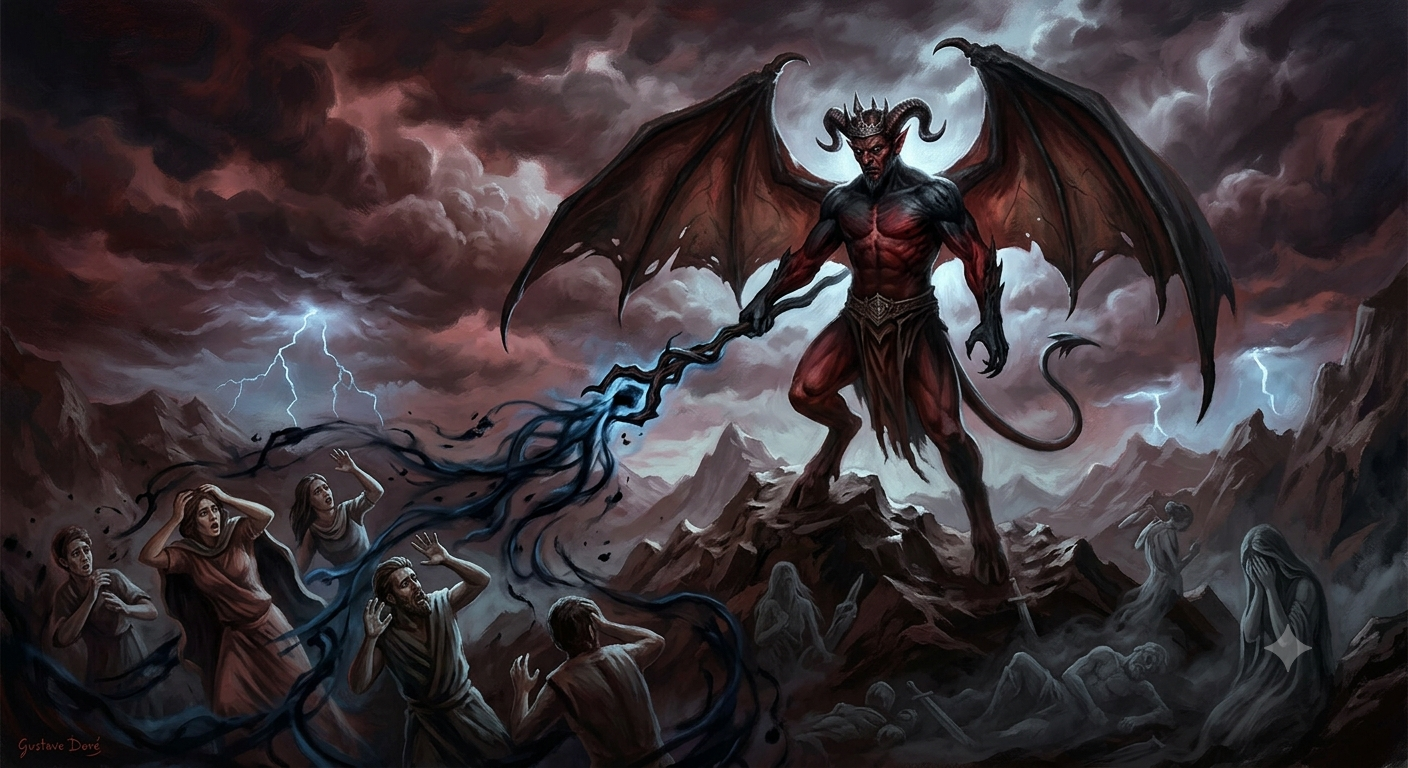
When people say “blind setan” (often spelled setan in Indonesian/Malay, meaning “Satan” or “devil”), they are usually using a direct translation of an Indonesian idiom: “Setan Budeg” (Deaf Devil) or “Setan Buta” (Blind Devil).
In context, it translates to “blind impulse,” “acting blindly,” or “losing all reason.”
Here is exactly why people say it, how it works culturally, and where it comes from:
1. The Cultural Meaning: Blind Fury or Obsession
In Indonesian culture, when someone does something completely reckless, destructive, or out of control without thinking about the consequences, it is said that they are being driven by a setan (devil) that cannot see or hear reason.
- Amuk Massa (Mob Mentality): If a crowd attacks someone without checking the facts, they are acting on “blind impulse.”
- Blind Rage: When someone gets so angry they smash their own belongings or hurt someone they love, they are said to be possessed by a “blind devil.”
The idea is that a “regular” temptation might involve a choice, but a blind/deaf devil completely blocks out your logic, sight, and hearing, leaving you functioning purely on dark, destructive instinct.
2. The Pop Culture Context: Pengabdi Setan
If you heard this phrase recently online, there is a very high chance it is a reference to Indonesian horror cinema. Indonesia has a massive, globally recognized horror industry—most notably the film Pengabdi Setan (Satan’s Slaves), directed by Joko Anwar.






Post Comment
You must be logged in to post a comment.