Is there ghost?
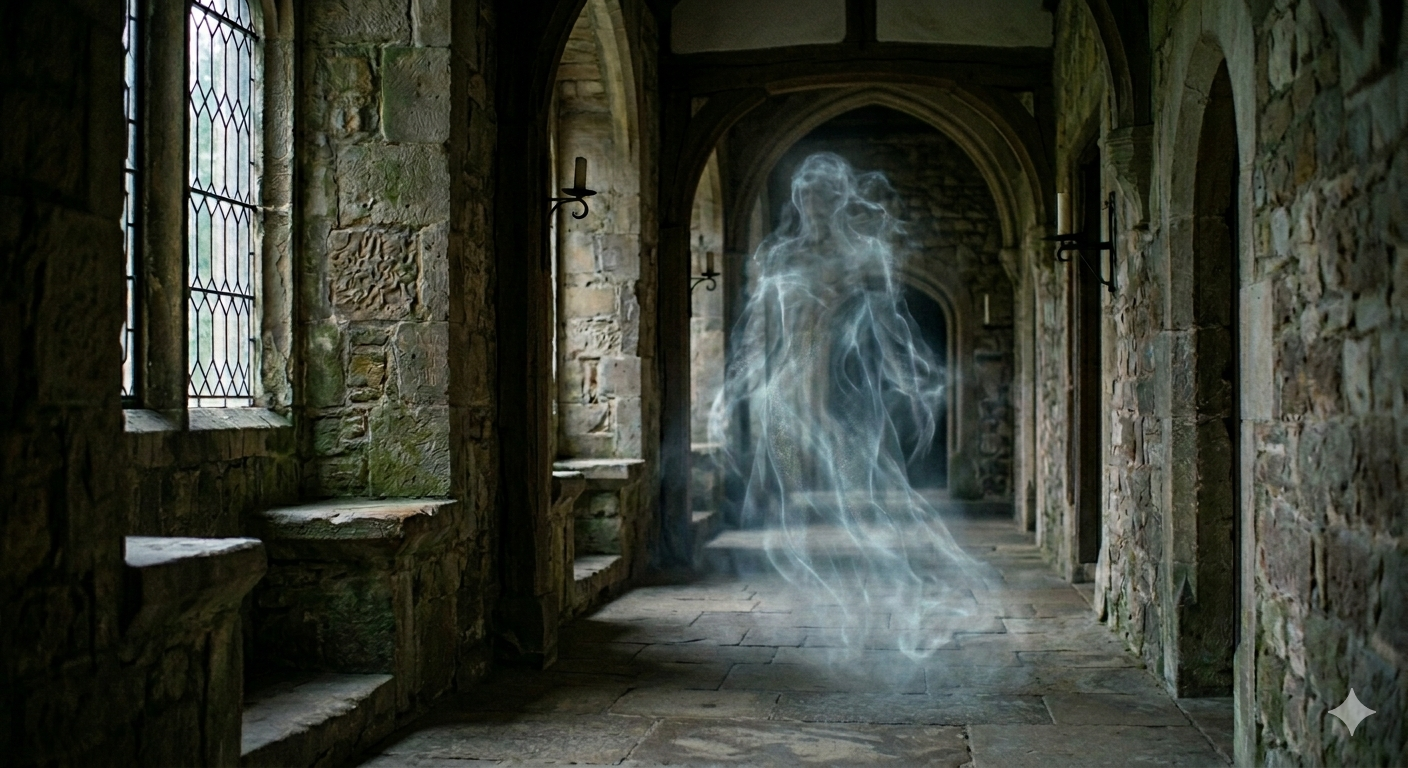
The short answer is: scientifically, we don’t know, because there is no concrete evidence that ghosts exist.
However, if we look at human folklore, eyewitness accounts, and pop culture, ghosts are described in a few distinct ways. Whether you can “see” one depends entirely on whether you are looking through the lens of science or human experience.
Here is how ghosts are typically described and explained:
1. What do people claim to see?
People who believe they have encountered a ghost rarely report seeing a cartoonish sheet with eyeholes. Instead, they usually describe one of the following forms:
- Apparitions: These are human-shaped figures that look faint, translucent, or misty. Sometimes they are dressed in historical clothing, and other times they are just a fleeting silhouette.
- Shadow People: Fully dark, dense, human-like shadows that people often spot out of the corner of their eye, which seem to vanish when looked at directly.
- Orbs: Often caught on camera or video, these are floating balls of light. While paranormal investigators sometimes view them as pure spiritual energy, camera experts point out they are almost always just dust mops, bugs, or moisture reflecting the camera’s flash.
- Ectoplasm or Mist: A strange, localized fog or vapor that appears indoors without an obvious explanation.
2. Can you actually see them?
From a scientific standpoint, no. Decades of psychological and neurological research show that when people “see” ghosts, it is usually their brain playing tricks on them. The most common explanations include:
- Pareidolia: The human brain is a pattern-seeking machine wired to recognize human faces and shapes. In the dark, a coat on a rack or a shadow on the wall can easily be misinterpreted as a person.
- Sleep Paralysis: This is a sleep transition state where your mind wakes up but your body remains temporarily paralyzed. It is incredibly common for sleep paralysis to cause vivid, terrifying hallucinations of a dark figure standing in the room or sitting on your chest.
- Environmental Factors: Many famous “haunted” houses have been found to have low-level carbon monoxide leaks or toxic mold, both of which are proven to cause hallucinations, paranoia, and a heavy feeling of dread.
The Takeaway: In movies, ghosts are distinct, visible characters. In real-life accounts, they are usually described as fleeting shadows or lights. Science, however, suggests that the only place ghosts truly live is inside the complex wiring of our own minds!




Post Comment
You must be logged in to post a comment.