What is the major difference between a woman and a man?

At the most fundamental biological level, the major difference between a biological woman (female) and a biological man (male) comes down to chromosomes and reproductive anatomy:
- Chromosomes: Females typically have two X chromosomes (XX), while males typically have one X and one Y chromosome (XY).
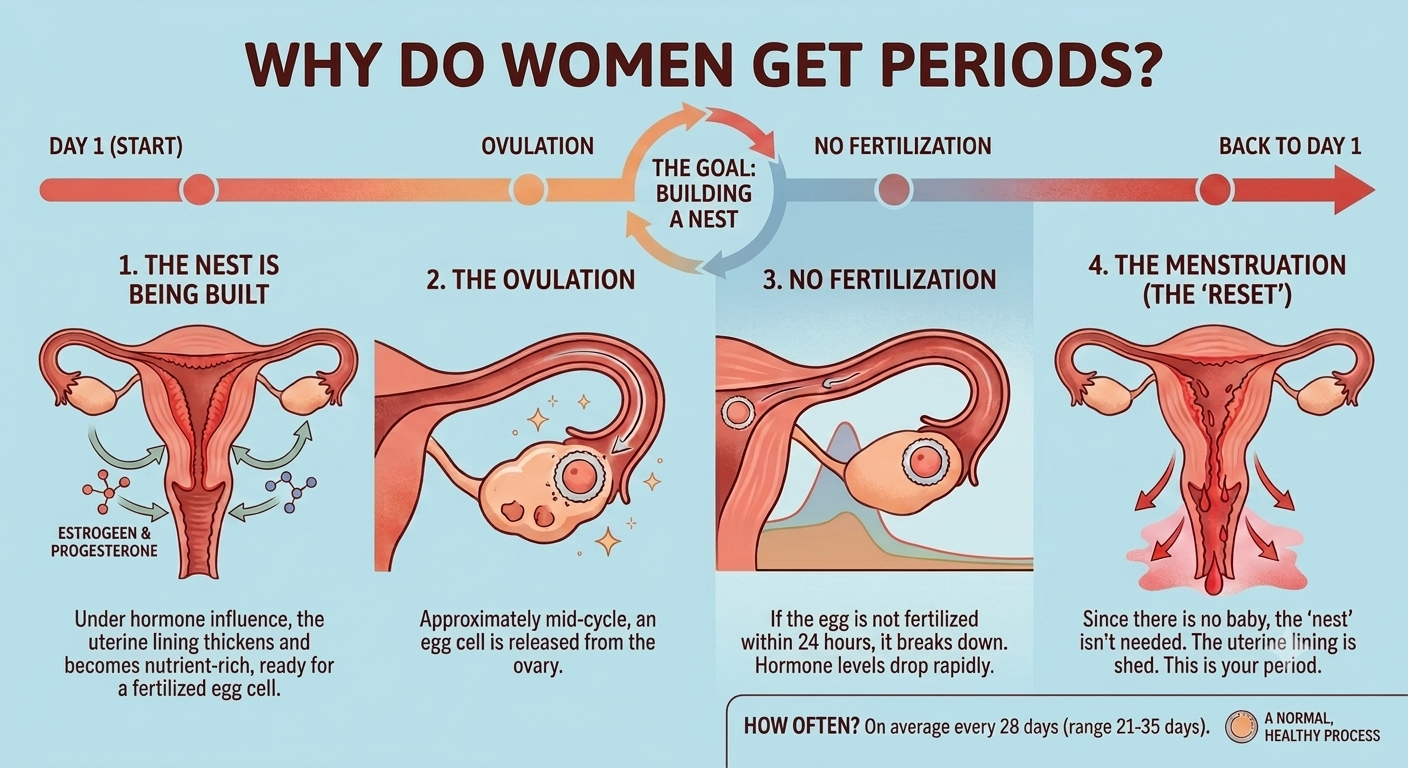
- Reproductive System & Gametes: Females have female reproductive organs (such as ovaries, uterus, and vagina) designed to produce large, stationary gametes (eggs/ova) and carry offspring. Males have male reproductive organs (such as testes and penis) designed to produce small, motile gametes (sperm).
- Hormones & Secondary Sex Characteristics: Driven by sex hormones (primarily estrogen and progesterone in females, and testosterone in males), men and women develop distinct physical traits during puberty—such as differences in average height, bone density, muscle mass, voice depth, body fat distribution, and facial/body hair.
Beyond Biology: Gender Identity & Social Roles
While biology defines biological sex, human identity and society add additional layers:
- Gender Identity: Refers to a person’s deeply felt internal sense of being a woman, a man, or another gender, which may or may not align with the biological sex assigned to them at birth (e.g., transgender or cisgender identities).
- Social & Cultural Roles: Across different cultures and history, “woman” and “man” also encompass social roles, behaviors, expectations, and cultural expressions (gender roles) that are taught and learned rather than strictly hardwired by nature.